
Find Your Place In Wayne County
Compare Wooster, Orrville, Rittman, Smithville, Dalton, Doylestown, Shreve, Creston, Apple Creek, and communities throughout Wayne County. Explore housing, schools, parks, commute routes, rural property, local lifestyle, and first responder location planning.
Get local guidance from a team built by first responders who understand shift schedules, department and hospital access, rural travel, school routes, property maintenance, and the realities of choosing a community.
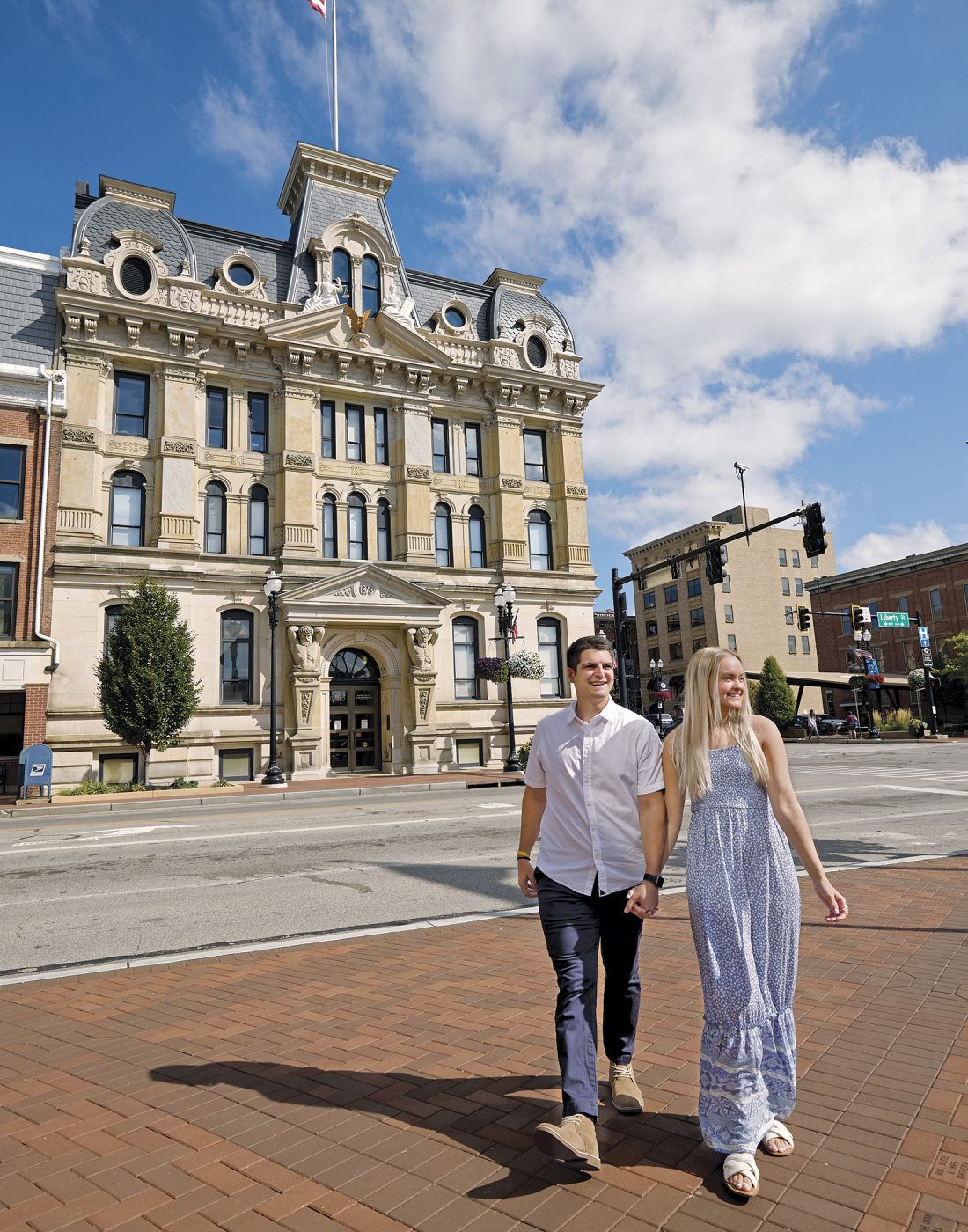
Wooster Energy. Small-Town Character. Rolling Countryside.
One county with an active county seat, established communities, farmland, colleges, employers, healthcare, recreation, and connections throughout Northeast Ohio.
Wayne County At A Glance
A fast overview of Wayne County’s communities, transportation, lifestyle, property options, and local factors buyers and sellers should understand before choosing an area or building a real estate strategy.
City Energy, Small-Town Character, And Rolling Countryside.
Wayne County combines the services and activity of Wooster with established cities, smaller villages, rural townships, agricultural areas, traditional neighborhoods, larger properties, local employers, healthcare, education, and recreation.
US 30 and US 250 provide major regional connections across Wayne County and into neighboring Ohio markets.
Wooster serves as the county seat and a central location for government, healthcare, education, business, shopping, dining, and community activity.
Communities include Orrville, Rittman, Doylestown, Dalton, Smithville, Shreve, Creston, Apple Creek, Marshallville, West Salem, and additional villages.
Buyers can compare city neighborhoods, village living, rural acreage, farm-country settings, newer homes, and established properties.
Wooster
Wooster anchors the county with government services, healthcare, education, shopping, restaurants, employers, parks, events, and an active downtown.
City To Country
Compare Wooster, Orrville, and Rittman with smaller villages, township neighborhoods, agricultural communities, and rural properties throughout the county.
Downtown To Acreage
Housing options can include historic homes, established neighborhoods, newer construction, village properties, larger lots, acreage, outbuildings, and agricultural surroundings.
Connected Across Northeast Ohio
County and state routes connect residents with Wooster, Orrville, Akron, Canton, Medina, Mansfield, surrounding employers, hospitals, departments, and neighboring counties.
One County. Several Different Ways To Live.
These descriptions are starting points rather than rankings. Compare each exact property using location, condition, commute, utilities, school assignment, taxes, maintenance, budget, and household priorities.
Wooster + Surrounding Townships
County services, healthcare, education, employers, downtown activity, established neighborhoods, shopping, dining, parks, and rural edges.
Orrville + Village Communities
Orrville, Dalton, Apple Creek, Fredericksburg, Mount Eaton, and nearby rural areas provide small-city, village, and country options.
Rittman + Doylestown Corridor
Rittman, Doylestown, Creston, Smithville, Marshallville, and surrounding areas offer connections toward Summit and Medina counties.
Villages + Rural Country
Shreve, West Salem, Burbank, Congress, and western rural areas provide village living, farmland, acreage, and regional road access.
The County Is Diverse. The Strategy Should Be Local.
Wayne County can support many different property goals, but value, demand, taxes, utilities, housing style, land, inventory, maintenance, and buyer expectations can change significantly between communities and property types.
Compare More Than The House
Evaluate the community, commute, taxes, school assignment, property condition, utilities, well and septic systems, acreage, outbuildings, internet access, and future maintenance.
Compare Communities →Price For The Property Type
The strongest pricing and marketing strategy should reflect the exact location, lot, land, condition, utilities, improvements, outbuildings, competition, and likely buyer pool.
Request A Local Review →Build Around The Shift
Compare duty locations, hospitals, departments, shift-change travel, rural roads, winter conditions, call-back responsibilities, family support, property upkeep, and alternate routes.
Explore Frontline Living →
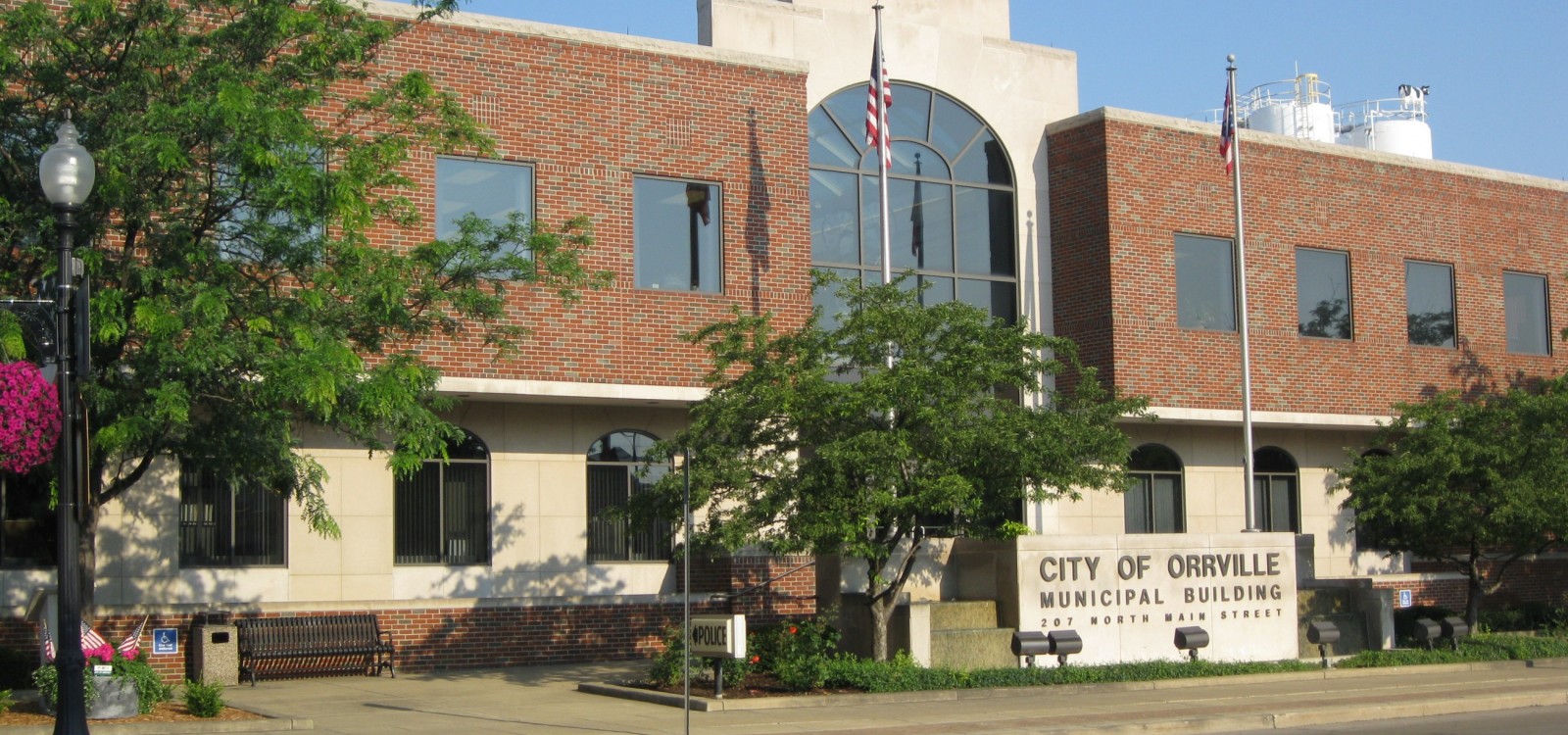
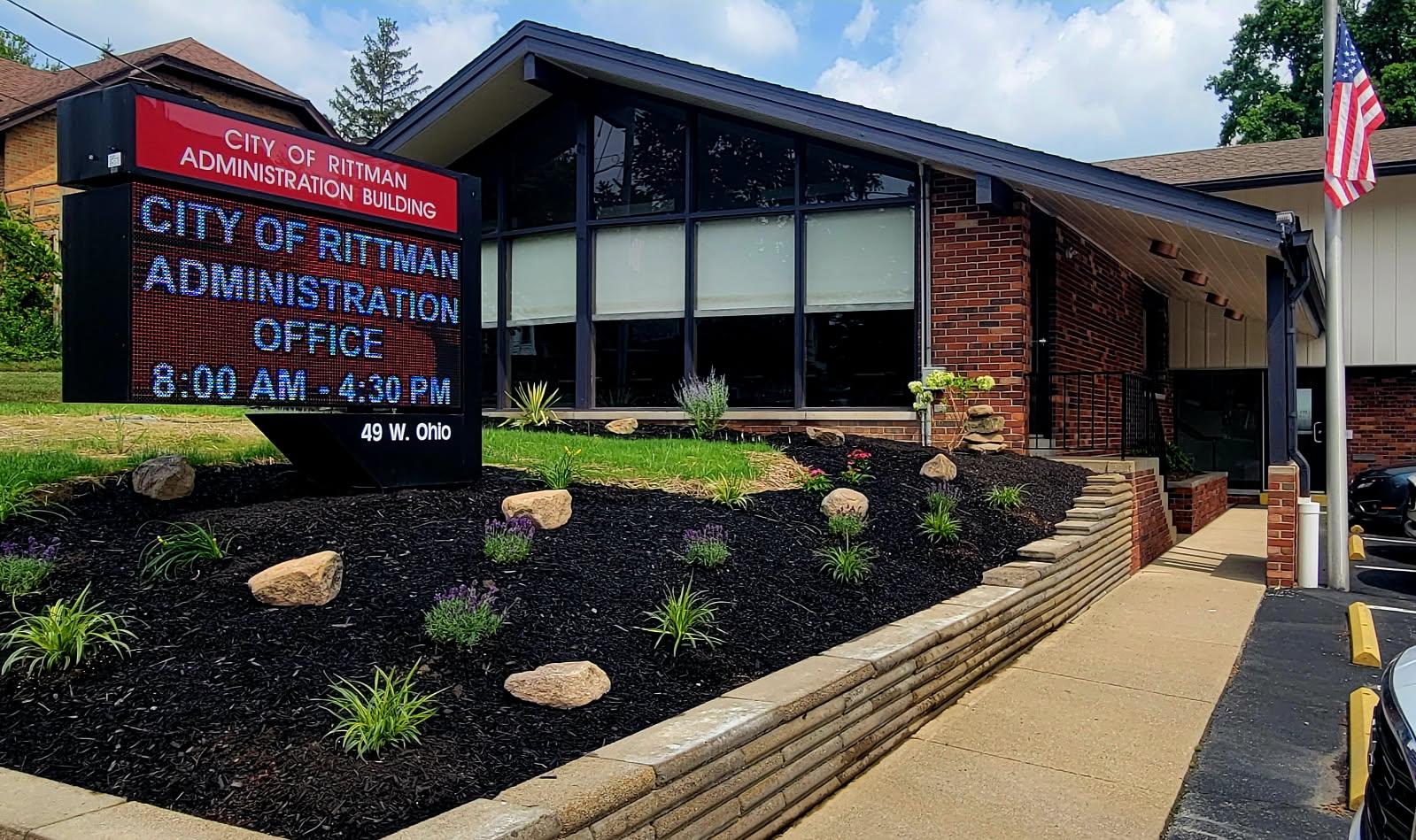
Market Intelligence For Every Move.
Wayne County is not one uniform real estate market. Pricing, housing style, buyer demand, taxes, utilities, lot size, land, condition, and competition can change considerably between Wooster, Orrville, Rittman, village communities, and rural townships.
We build the strategy around the exact property and location—not a generic county-wide average.
Request A Private Market ReviewSelect A Market Area.
These regional groupings are starting points rather than official market boundaries. Every address should be reviewed using its own property characteristics, jurisdiction, recent sales, competition, utilities, and ownership costs.
Wooster + The County Seat Market
Wooster and its surrounding areas can include downtown properties, historic and established homes, traditional neighborhoods, newer residential developments, condominiums, larger lots, and rural properties outside the city environment.
Exact location, property condition, housing style, updates, lot size, taxes, parking, proximity to services, nearby sales, and competing inventory.
Compare the property with the correct buyer pool and nearby competition rather than using a general Wooster or county-wide average.
Orrville + Village Markets
Eastern Wayne County combines Orrville’s small-city neighborhoods and municipal services with village properties, traditional homes, rural roads, agricultural land, larger parcels, and connections toward Stark and Holmes counties.
Municipal or township location, condition, updates, utilities, lot size, land, outbuildings, employment access, school boundaries, and recent local sales.
Separate small-city, village, and rural comparables so each property is evaluated against the market most likely to produce its buyer.
Established Communities + Regional Access
Northern and northeastern Wayne County communities can attract buyers balancing traditional housing, local services, parks, village or city settings, rural surroundings, and access toward Summit and Medina counties.
Housing age, condition, updates, lot, commute pattern, municipal services, taxes, current inventory, community demand, and nearby comparable sales.
Analyze the local buyer pool and test whether regional access, property condition, and total ownership cost strengthen or limit the position.
Acreage, Land + Country Property
Rural Wayne County properties require a different evaluation than city or village homes. Land, boundaries, road access, utilities, septic systems, wells, drainage, outbuildings, agricultural uses, maintenance, and financing can all affect value and marketability.
Acreage, usable land, soils, access, outbuilding condition, well and septic systems, utilities, driveway, drainage, zoning, maintenance, and property-specific improvements.
Use property-type and land-specific comparables, verify important systems and boundaries, and evaluate the full cost of maintaining the property.
The Plan Should Match The Move.
Buying, selling, relocating, and purchasing rural property require different information, timelines, inspections, risks, and negotiation strategies.
Choose The Location Before You Chase The House.
Balance the property with the community, commute, taxes, condition, repairs, utilities, maintenance, future plans, and likely resale position.
- Current competing properties
- Recent nearby comparable sales
- Total ownership cost
- Offer leverage and risk
Position The Property For The Buyer Most Likely To Choose It.
Pricing and marketing should reflect the exact community, property style, condition, lot, land, improvements, competition, timing, and likely buyer pool.
- Local comparable sales
- Active and expired competition
- Presentation and launch strategy
- Negotiation position
Build The Search Around The Shift, Property, And Household.
Narrow the county using duty location, commute, family routines, property upkeep, acreage needs, utilities, support systems, and long-term plans.
- Duty and employment locations
- Shift-change travel patterns
- Acreage and maintenance needs
- Focused community shortlist
From Search To Strategy.
Clarify the move, timeline, budget, commute, property needs, priorities, and non-negotiables.
Review the correct local market, competition, recent sales, property condition, utilities, land, and ownership cost.
Build the offer, pricing, marketing, negotiation, or relocation plan around current local conditions.
Make The Next Move With A Local Plan.
Browse available homes, request a professional home-value review, or speak with Frontline about the Wayne County communities, property types, and strategy that fit your goals.
Homeownership Built Around The Shift.
Choosing a home as a firefighter, police officer, paramedic, dispatcher, healthcare worker, or shift-working family requires more than comparing bedrooms and square footage.
Frontline helps evaluate duty locations, travel reliability, call-back responsibilities, household routines, property upkeep, and long-term ownership goals together.
Explore The Buyer Edge ProgramPlan For The Job You Actually Work.
Select a service category to review the location, commute, scheduling, and property factors that may deserve closer attention during a Wayne County home search.
Test The Route Before You Trust The Map.
Fire and EMS households may need to account for early reporting, mandatory overtime, station transfers, training days, call-back responsibilities, winter weather, and travel after limited sleep. The most direct route is not always the most reliable.
Station location, expected reporting time, primary and alternate routes, road conditions, construction patterns, fuel access, parking, and the possibility of future assignment changes.
Exterior maintenance, acreage, snow removal, lawn care, septic or well systems, outbuildings, sleep environment, equipment storage, and projects that compete with recovery time.
Drive the duty route near actual report and shift-change times.
Identify a second usable route for weather, construction, or roadway closures.
Compare the home’s maintenance demands with overtime, training, and family responsibilities.
Recheck the plan when assignment, promotion, staffing, or household needs change.
Build Around Patrol, Court, And Call-Back.
Law-enforcement schedules may include rotating shifts, court appearances, details, training, holdovers, overtime, and call-back. A home search should consider more than the normal commute between one address and one headquarters.
Department location, patrol-area access, courthouse travel, training locations, highway connections, alternate routes, parking, and travel during overnight hours.
Daytime sleep, changing days off, court on scheduled time off, childcare handoffs, household security routines, equipment storage, and partner work schedules.
Map headquarters, court, training sites, and recurring detail locations.
Test overnight and early-morning travel rather than relying only on daytime estimates.
Consider whether the floor plan supports daytime sleep and changing family schedules.
Confirm department residency, take-home vehicle, parking, or response requirements directly with the employer.
Plan For Rotations, Call, And Long Shifts.
Nurses, respiratory therapists, emergency staff, physicians, support personnel, and other healthcare workers may face rotating schedules, long shifts, weekends, holidays, on-call periods, and travel during difficult weather.
Main campus, secondary work locations, emergency entrances, employee parking, expected call response, shift-change congestion, construction, and alternate hospital routes.
Daytime sleep, meal preparation, laundry, childcare, pet care, partner schedules, quiet workspaces, maintenance, and the time needed to recover between consecutive shifts.
Test the route at actual day-shift and night-shift transition times.
Include employee parking and walking time when evaluating the full commute.
Compare travel to every location where regular rotations or call coverage may occur.
Evaluate whether the home supports sleep, recovery, meals, and household logistics during consecutive shifts.
The Home Has To Work When The Schedule Does Not.
The strongest home choice supports the entire household—not only the responder’s drive to work. Floor plan, noise, maintenance, family support, childcare, school transportation, errands, and recovery time can all influence long-term fit.
Compare sleep spaces, bedroom placement, neighborhood and property noise, childcare handoffs, school transportation, meal routines, pet care, partner schedules, and family support.
Review mowing, snow removal, driveway length, acreage, landscaping, repairs, utilities, septic or well service, cleaning, storage, and unfinished projects.
Walk through how the household operates during a normal work cycle.
Identify responsibilities that fall on one person during nights, overtime, or recalls.
Estimate the weekly time required to maintain the property—not only the monthly payment.
Choose a property that preserves recovery, family time, and long-term financial flexibility.
Public Safety And Healthcare Across The County.
The examples below are provided for orientation and are not an exhaustive agency list. Verify employment locations, stations, assignments, response areas, jurisdiction, staffing, and reporting requirements directly with the appropriate organization.
Municipal And Community Response
Wayne County includes municipal, village, township, district, volunteer, combination, career, and EMS service models. Assignment, staffing, and response structure can vary by organization.
City, County, And Dispatch Operations
Law-enforcement and communications personnel may work from municipal facilities, county offices, court locations, patrol areas, dispatch centers, training sites, and changing assignment points.
Healthcare Anchors In Wooster And Orrville
Hospital and healthcare employees should evaluate the exact campus, parking location, scheduled department, rotation requirements, on-call expectations, and any additional work sites.
Emergency Management And Mutual Support
Countywide emergency response can involve local agencies, dispatch, emergency management, mutual aid, hospitals, highway access, specialized resources, and coordination across jurisdictional boundaries.
One Commute Estimate Is Not A Response Plan.
Wayne County includes cities, villages, rural roads, agricultural areas, and several regional corridors. Test the exact route during the hours, seasons, and conditions that match the real schedule.
US 30 Corridor
A major connection through the Wooster area and toward eastern and western employment, service, and community destinations.
US 250
A regional route serving Wooster and connections toward neighboring counties and additional employment or healthcare destinations.
SR 3 + SR 83
Important north–south options for parts of Wayne County, with conditions and travel patterns that should be tested from the exact property.
SR 57 + SR 585
Routes supporting travel among Orrville, Rittman, surrounding communities, and employment areas toward Summit and Medina counties.
Map the exact station, hospital, headquarters, court, dispatch center, or duty entrance.
Drive the route at actual shift-change, court-reporting, or call-response times.
Identify an alternate route that remains practical during closures, construction, or winter weather.
Add parking, walking, security entry, equipment transfer, and pre-shift preparation to the commute.
Test cellular service, navigation reliability, fuel access, and rural road conditions where relevant.
Reevaluate the location when assignments, promotions, rotations, or family routines change.
The Right Property Protects Time As Well As Money.
A home can fit the budget and still create too much work for the household. Compare the recurring time, physical effort, and financial responsibility required to own it.
Sleep + Recovery
Bedroom location, light control, household noise, exterior noise, temperature control, and space for uninterrupted daytime sleep.
Maintenance
Lawn size, snow removal, driveway length, landscaping, exterior upkeep, unfinished projects, and seasonal maintenance.
Utilities + Systems
Public or private utilities, well, septic, heating source, internet, backup power needs, drainage, and major mechanical systems.
Storage + Logistics
Parking, work equipment, uniforms, laundry, decontamination routines, gym gear, tools, vehicles, trailers, and household storage.
Family Operations
Childcare, school transportation, pet care, meal preparation, partner schedules, family support, and daily errands.
Financial Resilience
Payment, taxes, insurance, utilities, travel, repairs, reserves, overtime dependence, and the ability to absorb future changes.
A Homebuying Plan Built For Those Who Serve.
Frontline Legacy Group helps first responders and their families compare Wayne County communities, evaluate shift-based commutes, understand the full ownership picture, and build a property search around their real schedule and long-term goals.
Program benefits, eligibility, lender credits, partner offers, warranties, rebates, and savings may vary by transaction, location, financing, provider, and applicable terms. Confirm current benefits with Frontline before relying on any specific program feature.
Wayne County Life Beyond The Address.
Wayne County combines downtown activity, city parks, wooded trails, agricultural landscapes, arts, education, local businesses, community traditions, and small-town destinations.
The right fit depends on how often you plan to use those amenities, how far they are from the exact property, and whether the surrounding community supports your household’s normal routine.
Compare Wayne County CommunitiesExplore The County By Daily Life.
Select a lifestyle category to see the places, routines, and location questions that may matter when comparing Wayne County communities.
From City Parks To Country Trails.
Wayne County’s outdoor options range from developed city parks and recreation facilities to wooded hiking areas, gardens, nature preserves, rail trails, rural landscapes, and community athletic spaces.
Secrest Arboretum and Gardens, Wooster Memorial Park, Freedlander Park, Christmas Run Park, Barnes Preserve, Orr Park, Rittman city parks, and regional trail corridors.
Distance from the property, trail surface, operating season, parking, lighting, pool or facility schedules, accessibility, programming, and whether the amenity fits your normal routine.
Visit the park or trail at the time of day your household would normally use it.
Check current rules, hours, reservations, closures, and seasonal facility availability.
Compare the drive from the exact property rather than relying on a community name.
Include the property’s own acreage and upkeep when evaluating how much recreation time remains.
Local Character Lives In The Details.
Downtown Wooster provides the county’s largest concentration of local dining, specialty shopping, cafés, markets, cultural destinations, and public events. Orrville, Rittman, and Wayne County’s villages add their own local businesses and small-community gathering places.
Historic buildings, locally operated shops, restaurants, cafés, public spaces, community events, and the seasonal Downtown Wooster Farmers’ Market shape the central-city experience.
Smaller cities and villages can offer everyday services, local dining, coffee, neighborhood businesses, community organizations, and destinations connected to nearby rural areas.
Compare weekday, evening, and weekend operating patterns before judging convenience.
Review parking, travel time, delivery access, and the distance to routine errands.
Decide whether you want amenities nearby or prefer more land with a longer drive.
Check current business and event directories because individual locations can change.
A County With Creative And Educational Depth.
Wayne County’s cultural and educational resources include arts programming, galleries, professional theatre, local history, colleges, agricultural research, community classes, libraries, and continuing-learning opportunities.
Wayne Center for the Arts, the Ohio Light Opera, local performance venues, galleries, public programs, and community events contribute to the area’s cultural calendar.
The College of Wooster, Ohio State’s Wooster campus, regional higher-education options, libraries, and the Wayne County Historical Society add academic and historical resources.
Review current performance, exhibit, class, lecture, and program calendars.
Compare membership, tuition, registration, ticketing, and participation requirements.
Consider travel and parking for evening or seasonal programming.
Determine whether these resources are occasional destinations or part of the weekly routine.
Build Around The Routine—Not A Ranking.
Families can compare community recreation, youth activities, libraries, parks, pools, athletics, school logistics, seasonal markets, agricultural experiences, and countywide events. Availability and schedules should be verified directly with each provider.
Wooster, Orrville, Rittman, village communities, libraries, schools, nonprofits, and private organizations offer different combinations of youth sports, activities, pools, classes, and events.
The Wayne County Fair, downtown events, farmers’ markets, arts programs, community celebrations, and agritourism help shape the county’s seasonal rhythm.
Map school, childcare, recreation, library, medical, and family-support locations together.
Review registration windows, residency rules, fees, transportation, and seasonal schedules.
Test the full weekday routine instead of evaluating each destination separately.
Confirm school and program information through official sources before making a decision.
Places That Shape The Local Experience.
These are representative examples rather than a complete directory or ranking. Hours, programming, admission, access, and seasonal operations can change.
Historic Downtown Wooster
A central gathering area for local shops, restaurants, cafés, services, community events, public spaces, and the seasonal farmers’ market.
Secrest Arboretum And Gardens
Located on Ohio State’s Wooster campus, the arboretum serves as a garden, plant collection, educational resource, research setting, and outdoor destination.
Wooster Memorial Park
A wooded outdoor destination offering a more natural park experience within the Wooster area, with trails and space for hiking and outdoor use.
Freedlander + Christmas Run Parks
Major Wooster recreation locations supporting combinations of pools, playgrounds, fields, pavilions, community programming, and open space.
Orr Park + Community Facilities
Orrville’s park system includes recreational spaces, youth-activity connections, community facilities, and seasonal pool and splash-pad use.
Rittman Parks + Nature
Rittman maintains multiple city parks, recreation facilities, athletic spaces, trail connections, and the William J. Robertson Nature Preserve.
Barnes Preserve + Regional Trails
Wayne County Park District and regional trail organizations support preserves, natural areas, and nonmotorized routes including the Heartland, Sippo Valley, and County Line trail systems.
Arts, History + County Fair
Wayne Center for the Arts, Ohio Light Opera, Wayne County Historical Society, and the Wayne County Fair contribute performances, exhibits, education, history, and traditions.
Verify The Address. Then Compare The Routine.
Frontline does not rank schools or direct buyers toward or away from a community. Families should use official district, state, career-technical, transportation, and enrollment sources to evaluate the options that matter to them.
Confirm The District
Mailing address, municipality, township, and school district are not always the same. Verify the exact property through official boundary and enrollment sources.
Review Official Information
Compare district programs, buildings, report-card data, calendars, extracurriculars, special services, career-technical options, and enrollment procedures.
Test Daily Logistics
Evaluate transportation, childcare, work schedules, school start times, activities, travel, family support, and after-school responsibilities.
Confirm the assigned district and school directly with the appropriate district before purchasing or leasing a property. Do not rely solely on a listing, postal address, third-party website, map label, or prior enrollment history.
Different Parts Of The County Create Different Routines.
These broad lifestyle descriptions are orientation tools—not rankings. The exact property, road, jurisdiction, commute, and nearby amenities should always be reviewed independently.
Wooster + Regional Amenities
The county’s largest concentration of shopping, dining, healthcare, education, arts, parks, services, employers, and public events.
Orrville + Village Connections
Small-city recreation and services combined with village destinations, rural surroundings, local businesses, employers, and agricultural areas.
Rittman + Doylestown Area
Parks, recreation, traditional communities, regional trail connections, local services, and access toward Medina and Summit counties.
Rural Life + Local Traditions
Smaller community centers, agricultural settings, seasonal destinations, local businesses, trails, county traditions, and longer drives to some services.
Compare The Routine Before Choosing The Address.
Map work, school, childcare, healthcare, groceries, recreation, and family support.
Drive the recurring routes during the times your household would actually travel.
Compare the frequency of each trip rather than focusing only on the longest commute.
Review public, nonprofit, school, membership, and private recreation options separately.
Confirm hours, fees, registration, residency, parking, and seasonal availability.
Balance access to amenities with the property’s price, land, taxes, utilities, and maintenance.
Find The Community That Fits Your Real Life.
Tell Frontline how your household spends its time— work, school, parks, trails, dining, local events, acreage, recreation, family support, or quiet country living—and we will help narrow the Wayne County communities and properties worth exploring.
Start Your Search With A Clear Mission.
Start with one of Wayne County’s major cities, explore village communities, search by property type, or build the plan around commute, acreage, schools, recreation, and first responder needs.
Every property search should still be reviewed using current inventory, exact boundaries, condition, utilities, taxes, and ownership costs.
Browse All Available HomesFind A Search Path.
Search the directory or select a category to narrow the Wayne County guides and real estate resources displayed below.
Begin With Wayne County’s Three Cities.
Wooster, Orrville, and Rittman each offer a different combination of housing, services, employment access, recreation, and regional travel.
Homes In Wooster
Explore the county seat, downtown properties, established neighborhoods, condominiums, newer housing, larger lots, and nearby rural settings.
Homes In Orrville
Compare established neighborhoods, traditional homes, municipal services, parks, local employers, and nearby village or township properties.
Homes In Rittman
Explore traditional residential streets, city services, parks, recreation, local employers, and access toward Summit and Medina counties.
Communities, Properties, And Move-Planning Resources.
Use these starting points to narrow the county. Community guides provide local context, while property and planning links help define the search.
Doylestown
Explore established housing, village services, parks, nearby township properties, and regional routes toward Wadsworth, Summit, and Medina.
Dalton
Compare village streets, local services, surrounding agricultural areas, township properties, and access toward Orrville and Wooster.
Smithville
Explore traditional housing, village services, local businesses, rural surroundings, and a central position among Wooster and Orrville.
Shreve
Compare village homes, rural surroundings, country properties, agricultural land, and connections toward Wooster and Holmes County.
Creston
Explore traditional village properties, local services, rural edges, and regional access toward Medina, Ashland, Rittman, and Wooster.
Apple Creek
Compare residential streets, village services, surrounding agricultural areas, rural properties, and routes toward Wooster and Orrville.
Homes With Acreage
Search for homes with larger parcels, usable land, outbuildings, country settings, agricultural surroundings, and additional maintenance needs.
Rural Properties
Explore township and country properties where wells, septic systems, road access, drainage, utilities, land, and outbuildings may require closer review.
Single-Level Homes
Search ranch and one-floor-living options while comparing entry access, bedroom placement, laundry location, maintenance, and future use.
Newer Construction
Explore recently built properties and residential developments while comparing taxes, warranties, unfinished items, utilities, lot, and future neighborhood construction.
Investment + Multi-Unit
Search for rental and multi-unit opportunities while reviewing permitted use, leases, condition, expenses, utilities, financing, and realistic income assumptions.
First Responder Home Search
Build the search around duty location, station access, shift changes, overtime, alternate routes, household routines, recovery time, and long-term ownership goals.
Moving To Wayne County
Turn a large county into a focused shortlist using work locations, commute, property type, land, utilities, daily routines, and community preferences.
School District Planning
Learn how to confirm the assigned district and compare official programs, transportation, enrollment, calendars, and household logistics without relying on rankings.
Parks, Trails + Downtown Access
Compare the distance to parks, trails, dining, coffee, shopping, markets, recreation, arts, events, and everyday destinations.
Try A Different Community Or Property Type.
Clear the search or contact Frontline for a custom Wayne County home-search plan.
Narrow The County Before Expanding The Results.
A larger list is not always a better search. Define the location and property requirements first, then evaluate current inventory against the complete ownership plan.
Choose The Area
Start with duty locations, employment, household routines, community type, and realistic travel patterns.
Define The Property
Identify home style, condition, lot, acreage, utilities, outbuildings, parking, and maintenance limits.
Review The Cost
Compare payment, taxes, insurance, utilities, transportation, repairs, maintenance, and reserves.
Build The Offer
Use recent sales, current competition, property condition, risk, leverage, and long-term goals.
Stop Searching The Entire County.
Tell Frontline your budget, commute, property type, acreage needs, maintenance limits, lifestyle goals, and timeline. We will help turn those priorities into a focused Wayne County search.
Explore Beyond Wayne County.
Wayne County borders Medina County to the north, Summit County to the northeast, Stark County to the east, Holmes County to the south, and Ashland County to the west.
Comparing nearby counties can expand the available housing, property types, employment access, commute options, and community settings within a regional home search.
Explore All Ohio GuidesWayne County At The Center.
Use this directional guide as a starting point for comparing adjacent counties. It is a simplified orientation—not a road map, boundary survey, or commute-time estimate.
Compare Every Direction.
Each neighboring county presents a different combination of communities, housing, land, services, employment access, and transportation. Compare the exact property—not only the county name.
Medina County
Compare the City of Medina, Wadsworth, Brunswick, village communities, established suburban areas, rural townships, larger lots, and regional access toward Greater Cleveland.
Summit County
Explore Akron and surrounding communities offering a broad mix of urban, suburban, small-city, and township housing with major employment, healthcare, public-safety, recreation, and highway connections.
Stark County
Compare Canton, Massillon, North Canton, Louisville, Alliance, village communities, established neighborhoods, newer developments, and rural properties east of Wayne County.
Holmes County
Explore Millersburg, village communities, agricultural areas, country properties, larger parcels, local businesses, tourism, and the rural landscape south of Wayne County.
Ashland County
Compare the City of Ashland, smaller communities, rural townships, traditional homes, agricultural areas, country properties, and access toward Interstate 71 and north-central Ohio.
Expand The Map Without Losing The Plan.
A cross-county search works best when each new area is measured against the same property, commute, ownership, and household requirements.
Exact Duty Location
Map the station, department, hospital, office, employer, court, dispatch center, or work entrance instead of using only the city name.
Actual Travel Pattern
Test the route at shift change, school travel, weekday peak times, overnight hours, and during the seasons that affect the commute.
Complete Property Cost
Compare payment, taxes, insurance, utilities, fuel, maintenance, repairs, acreage, well, septic, and transportation.
Jurisdiction + Services
Confirm the county, municipality, township, school district, tax district, utilities, zoning authority, and emergency-service area.
Current Competition
Review each property against the correct local sales, active listings, buyer pool, condition, and community-specific demand.
Long-Term Position
Consider assignment changes, household growth, future maintenance, resale, employment flexibility, and the reason for moving.
Build The Search Around The Reason For Moving.
The strongest regional search is not simply every available home within a large radius. It is a focused comparison of the counties and communities that support the move.
Regional Commute Search
Compare Wayne, Medina, Summit, and Stark county locations when work, public safety, healthcare, or employment access drives the move.
Build A Commute Search →Acreage And Rural Search
Compare Wayne, Holmes, Ashland, and rural portions of neighboring counties when land, outbuildings, country settings, or agricultural surroundings matter.
Browse Available Homes →Lifestyle Comparison
Compare communities across county lines using daily errands, healthcare, parks, recreation, family support, property upkeep, and recurring travel.
Explore Ohio Guides →Not Sure Which County Fits The Move?
Tell Frontline your work locations, budget, preferred property type, acreage needs, commute, household routine, and long-term plans. We will help compare Wayne County with the neighboring counties that deserve a closer look.
Wayne County Questions Answered.
Buying, selling, or relocating within Wayne County can involve different communities, jurisdictions, property types, tax districts, utilities, school boundaries, commute routes, and permit requirements.
These answers provide a starting point. Every property should still be reviewed using its exact address and current official information.
Ask Frontline A QuestionEight Questions Worth Asking.
01 Living In Wayne County What is it like to live in Wayne County, Ohio?
Wayne County offers several different living environments rather than one uniform experience. Buyers can compare the larger city and county-seat amenities of Wooster, the small-city environments of Orrville and Rittman, village communities, agricultural areas, and rural township properties.
The best fit depends on the household’s budget, work locations, commute, preferred property type, maintenance limits, access to services, acreage needs, and normal weekly routine.
02 Community + Commute Planning How should I choose where to live in Wayne County?
Start by mapping the places your household visits repeatedly: work, station, hospital, school, childcare, healthcare, groceries, recreation, family support, and major errands.
Test the exact routes at realistic travel times. A route that appears reasonable on a general map may feel different during shift change, winter weather, construction, school traffic, or travel from a rural road.
- Drive the primary route during normal work hours.
- Identify a practical alternate route.
- Include parking and walking time.
- Compare recurring trips—not only the longest commute.
03 Wayne County Housing Market Is Wayne County one real estate market?
No. Pricing, inventory, buyer demand, housing style, property condition, utilities, lot size, land, taxes, and competition can differ among Wooster, Orrville, Rittman, village communities, and rural townships.
A useful market review should compare the home with properties that attract a similar buyer, share relevant characteristics, and compete within the correct local area.
04 Property Taxes + Ownership Cost How should I compare property taxes in Wayne County?
Compare the tax information for the exact parcel rather than applying a county-wide percentage. Tax obligations can reflect assessed value, local levies, school districts, municipal or township jurisdictions, and other property-specific factors.
Review the current county property record and recent tax history, then discuss the estimated future payment with the lender and appropriate professionals. A prior owner’s bill may not represent the buyer’s future escrow or total ownership cost.
- Confirm the parcel and assessed value.
- Review the current tax districts and levies.
- Check for exemptions or credits tied to the current owner.
- Include insurance, utilities, maintenance, and travel.
05 School District Verification How do I confirm the school district for a Wayne County home?
Verify the district using the exact property address and official district or government sources. A postal city, listing description, map label, or nearby school does not always establish the assigned district.
Families should compare the official information that matters to them, including enrollment, transportation, calendars, programs, services, extracurricular activities, career-technical options, and daily household logistics.
Buyers receive official resources and property-specific guidance so they can make their own informed decision.
06 Acreage + Rural Property What should I review when buying rural property in Wayne County?
Rural homes and acreage require additional property-specific review. The inspection and due-diligence plan may need to address land, boundaries, road access, driveway condition, drainage, utilities, well, septic, fuel source, outbuildings, agricultural use, maintenance, and financing.
Buyers should also confirm whether the intended use is permitted and whether future projects require local, county, health, building, floodplain, driveway, soil, water, or other approvals.
Acreage, boundaries, access, drainage, soils, easements, and usable areas.
Well, septic, heating, electric, internet, backup power, and utilities.
Barns, garages, sheds, fences, roofs, foundations, and permitted use.
Mowing, snow, driveway, repairs, equipment, fuel, and long-term upkeep.
07 Zoning + Permit Requirements Do zoning and building requirements work the same across Wayne County?
No. Requirements can differ among cities, villages, townships, and unincorporated areas. Wayne County currently reports that most unincorporated township areas do not have local zoning, while Chippewa Township does.
The absence of local zoning does not mean a property is free from regulation. County subdivision rules, health requirements, building codes, floodplain review, driveway approvals, soil and water requirements, deed restrictions, and other rules may still apply.
08 Buying, Selling + Relocation How can Frontline help with a Wayne County move?
Frontline Legacy Group can help buyers compare communities, narrow property criteria, review current inventory, evaluate ownership costs, plan inspections, and build a negotiation strategy around the exact property.
Sellers can receive a property-specific market review, pricing strategy, preparation plan, marketing position, competition analysis, and negotiation guidance based on the local buyer pool.
First responders and relocating households can also build the search around duty locations, shift-change travel, alternate routes, overtime, family routines, property upkeep, and regional county comparisons.
Still Have A Wayne County Question?
Tell Frontline whether you are buying, selling, relocating, comparing communities, searching for acreage, or planning around a first responder schedule. We will help identify the information and next steps that apply to your move.
Ready For Your Next Move?
Whether you are buying, selling, relocating, searching for acreage, or planning around a first responder schedule, Frontline will help build the next step around your actual goals.
Tell Us What You Are Trying To Accomplish.
Share the community, property type, work location, budget, timeline, commute, acreage needs, or ownership concern driving the move.
One County. Many Different Moves.
A home search in Wooster may require a different approach than a rural acreage search near Shreve, a move toward Orrville, a regional commute from Rittman, or a home sale in one of Wayne County’s village communities.
Frontline evaluates the exact location, property, current competition, ownership costs, timing, household routine, and long-term objective before recommending the strategy.
Start With The Service That Fits The Move.
Select the option closest to your current goal. Frontline will help refine the strategy after learning more about the property, location, household, and timeline.
Find The Right Property
Browse available homes and begin narrowing the search by community, price, property type, acreage, condition, utilities, and commute.
Build A Local Sale Plan
Request a property-specific review covering pricing, preparation, competition, buyer positioning, marketing, timing, and negotiation.
Explore Buyer Edge
Build the search around duty location, shift schedules, call-back responsibilities, travel reliability, ownership costs, and available Frontline program benefits.
Build A Relocation Plan
Compare Wayne County communities, nearby counties, employment access, commute routes, property types, utilities, services, and daily household logistics.
A Clear Process From Question To Strategy.
The first conversation is used to understand the objective, identify the missing information, and establish the most useful next step.
Tell Us About The Move
Share the location, budget, timeline, property, commute, household needs, and reason for moving.
Build The Local Picture
Frontline reviews the relevant communities, property details, current market, available inventory, and ownership considerations.
Move Forward With Direction
Receive a focused next step for searching, preparing, pricing, touring, financing, selling, or relocating.
Built By First Responders. Built To Serve.
Frontline Legacy Group is a real estate team built by first responders for first responders, families, homeowners, sellers, investors, and relocating households throughout Ohio and beyond.
Do Not Settle For A Generic Plan.
Get Wayne County guidance built around the exact property, community, schedule, ownership goals, and outcome you are trying to create.